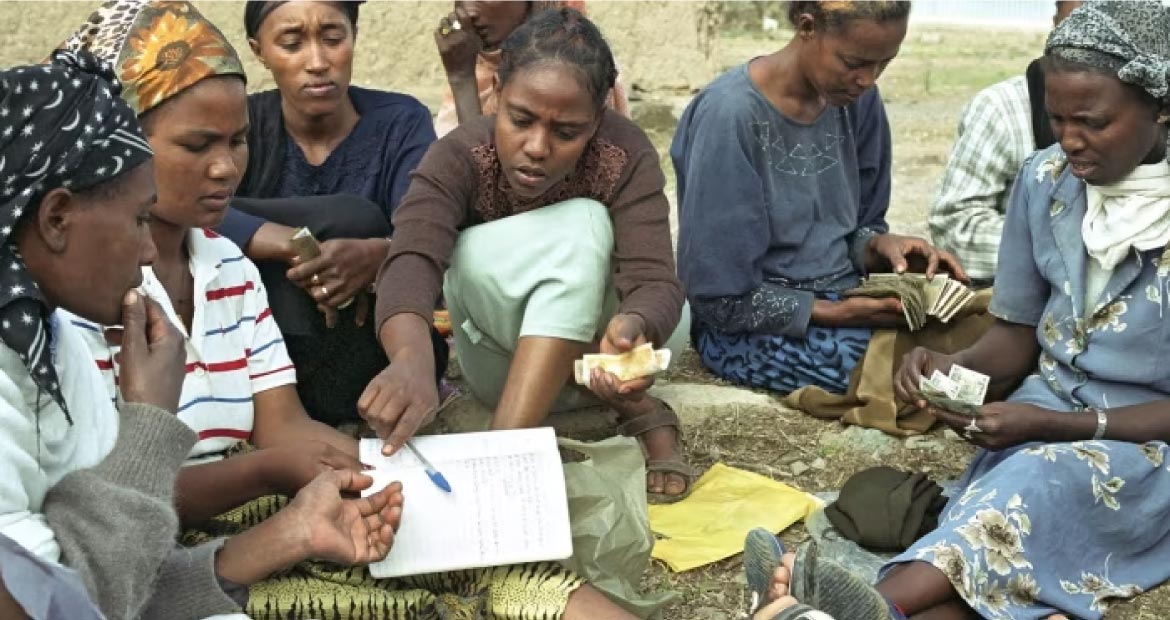
Microfinance institutions (MFIs) can be powerful tools for economic uplift, especially in underserved or low‑income communities. But not all microfinance is created equal. Picking the right microfinance can mean the difference between real progress and burdensome debt. Below is an article explaining key reasons why selecting a good microfinance partner is important, what to look out for, and how it benefits individuals, families, and whole communities.
What is Microfinance?
Microfinance refers to small financial services provided to people who typically don’t have access to traditional banking. These include:
- Microloans (small loans for business, farming, trade)
- Micro‑savings accounts
- Microinsurance
- Financial education / training
- Group financing or community lending models
MFIs are especially important in many African countries and other places where many people are “unbanked” or under‑banked.
Benefits of the Right Microfinance Provider
Choosing a good, appropriate MFI can offer many advantages:
- Affordable Interest Rates & Fees
A good microfinance partner will charge fair interest, minimal hidden fees, and transparent terms. High interest or exploitative terms can make a loan more of a burden than a help. - Flexible Repayment Terms
Good institutions understand the realities of small businesses, agriculture, or informal work. They allow for flexible repayment schedules, possibly adapting to seasonal income flows (especially in agriculture) or periods of low income. - Support Beyond Money
The best microfinance partners provide training, mentorship, financial literacy support, business planning assistance. This helps borrowers make wise decisions, grow sustainably, and avoid pitfalls. - Responsible Lending Practices
They assess ability to repay, do not pressure clients into over‐borrowing, and are willing to work with borrowers in difficulty. They avoid predatory behavior or taking advantage of people who must borrow. - Accessibility & Trust
Proximity, language, simplicity, and trust matter. Microfinance institutions that are embedded in the community, that understand local culture, that offer customer support in local languages, gain better uptake and have more positive effects. - Savings & Financial Inclusion
A good MFI doesn’t only lend—it helps you build savings, access insurance, build credit if relevant. These tools help buffer against emergencies, reduce vulnerability to shocks. - Transparency & Accountability
Clear terms, no surprises, and accountability in how funds are used and measured. Good MFIs show you the full cost of borrowing, the risks, and potential benefits.
Risks of Choosing Poor Microfinance
If you pick a microfinance provider without doing careful research, you might face:
Being exploited due to lack of financial literacy.
Very high interest or fees that eat into profits or savings.
Unreasonable repayment schedules that don’t match your income flows.
Hidden clauses or penalties (late fees, collateral issues).
Debt traps—where you take another loan to repay the first, etc.
Poor customer service or lack of support.